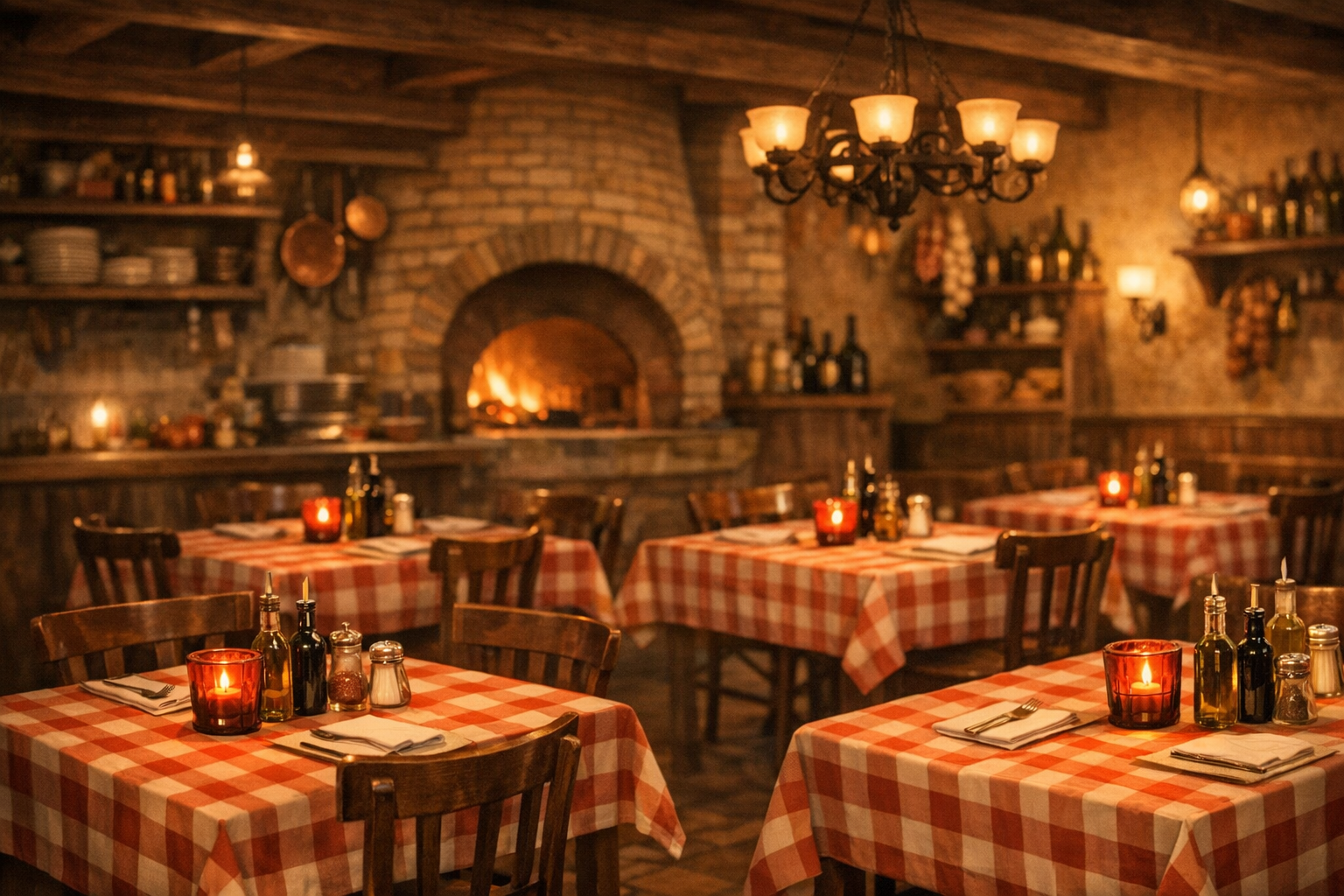
Welcome to our FAQ section, where we address common questions about American pizzeria culture, traditions, and what makes these establishments such beloved community institutions. Whether you're a lifelong pizza enthusiast or simply curious about pizzeria culture, we hope these answers provide insight into this cherished American tradition.
What makes a restaurant a pizzeria?
A pizzeria is distinguished by its primary focus on pizza as its main offering. While many restaurants serve pizza, a true pizzeria dedicates its kitchen, equipment, and expertise specifically to pizza preparation. This typically includes specialized equipment like brick ovens or deck ovens, dough preparation areas, and staff trained in traditional pizza-making techniques. The atmosphere and service style also reflect the pizzeria tradition—often casual, family-friendly, and focused on the communal experience of sharing pizza.
Why are pizzerias popular community spaces?
Pizzerias have long served as gathering places for communities because they offer an accessible, affordable dining experience that brings people together. The casual atmosphere encourages conversation and connection, while the shareable nature of pizza makes it perfect for groups. Many pizzerias become neighborhood institutions where families celebrate milestones, friends gather after work, and communities come together for events. The combination of good food, comfortable environment, and reasonable pricing creates a welcoming space that transcends age, background, and social status.
What is the difference between a pizzeria and a pizza restaurant?
While the terms are often used interchangeably, there are subtle distinctions. A pizzeria typically emphasizes traditional pizza-making methods, often with a focus on specific regional styles or authentic techniques. The menu is usually centered around pizza, with limited additional offerings. A pizza restaurant may have a broader menu that includes pasta, salads, and other Italian-American dishes, with pizza being one of many options rather than the primary focus. However, both establishments share the common goal of serving quality pizza in a welcoming environment.
How long does it take to make a traditional pizza?
The time varies significantly depending on the style and preparation method. The dough itself typically requires several hours of preparation, including mixing, kneading, and proofing time that can range from a few hours to overnight for some styles. Once an order is placed, the actual preparation and baking time usually ranges from 2-3 minutes for Neapolitan style in a wood-fired oven to 10-15 minutes for New York style, and up to 30-45 minutes for Chicago deep dish. This variation reflects the different techniques and characteristics of each regional style.
What makes pizzeria dough different from homemade pizza dough?
Professional pizzeria dough benefits from several factors that are difficult to replicate at home. Commercial mixers can handle larger batches and develop gluten more effectively. Professional ovens reach higher temperatures and provide more consistent heat distribution. Additionally, pizzerias often use high-gluten flour specifically designed for pizza, and their dough undergoes longer fermentation times, which develops more complex flavors and better texture. The experience and technique of professional pizzaiolos also plays a crucial role in achieving consistent, high-quality results.
Why do different regions have different pizza styles?
Regional pizza styles developed through a combination of factors including local ingredient availability, immigrant influences, cultural preferences, and practical considerations. For example, New York's thin, foldable slices evolved to accommodate the city's fast-paced lifestyle and workers who needed quick, portable meals. Chicago's deep dish emerged as a hearty, substantial meal suited to the city's cold winters. Detroit's rectangular shape reflects the industrial pans originally used. These regional variations represent how pizza adapted to local conditions and preferences while maintaining its core identity.
What role do brick ovens play in traditional pizzerias?
Brick ovens are central to traditional pizzeria cooking because they provide the intense, even heat necessary for creating authentic pizza. These ovens can reach temperatures exceeding 800 degrees Fahrenheit, which cooks pizza quickly while creating the characteristic crispy crust and perfectly melted toppings. The brick interior absorbs and radiates heat, creating a consistent cooking environment. The wood fire also imparts a subtle smoky flavor that many consider essential to traditional pizza. While modern deck ovens can produce excellent results, brick ovens remain the gold standard for traditional pizzerias.
How do pizzerias maintain consistency across multiple locations?
Pizzerias with multiple locations maintain consistency through standardized recipes, detailed procedures, and extensive training. Key ingredients like flour, cheese, and tomatoes are often sourced from the same suppliers to ensure uniformity. Dough preparation follows precise formulas and timing protocols. Staff training programs teach specific techniques for stretching dough, applying toppings, and baking. Many pizzerias also use portion control tools and standardized equipment to ensure each pizza meets their quality standards. This attention to consistency helps maintain the restaurant's reputation across all locations.
What makes a pizzeria "authentic"?
Authenticity in pizzerias can mean different things depending on context. For some, it means adhering to traditional Italian methods and ingredients, particularly for Neapolitan-style pizza. For others, authenticity refers to staying true to regional American styles like New York or Chicago. Generally, an authentic pizzeria demonstrates respect for tradition through its techniques, ingredients, and approach to pizza-making. This might include using traditional equipment, time-honored recipes, proper fermentation processes, and skilled preparation methods. Authentic pizzerias prioritize quality and tradition over shortcuts or trends.
Why are pizzerias often family-owned and operated?
The family-owned model has been integral to pizzeria culture since its arrival in America. Many early pizzerias were started by Italian immigrant families who brought their recipes and traditions from home. The business model lent itself to family operation because it required dedication, hard work, and attention to detail—qualities that family members could provide. Family ownership also allowed for the preservation of traditional recipes and techniques across generations. Today, many pizzerias remain family-owned because it allows for personal investment in quality, community connection, and the preservation of culinary traditions that might be lost in corporate operations.
How have pizzerias evolved over time?
American pizzerias have evolved significantly since their introduction in the late 19th and early 20th centuries. Early pizzerias were simple establishments serving basic pizzas to immigrant communities. As pizza gained popularity across America, pizzerias adapted to local tastes, creating regional styles and expanding their menus. The mid-20th century saw the rise of pizza delivery and chain pizzerias, making pizza more accessible than ever. Recent decades have brought a renaissance of artisanal and traditional pizzerias, with renewed focus on quality ingredients, authentic techniques, and regional specialties. Throughout this evolution, pizzerias have maintained their core identity as community gathering places serving America's favorite food.
What should I look for when choosing a pizzeria?
When choosing a pizzeria, consider several factors. Look for establishments that make their dough fresh daily rather than using pre-made or frozen dough. Observe the cooking equipment—traditional ovens often indicate a commitment to quality. Check if they use quality ingredients, particularly fresh mozzarella and good tomatoes. The atmosphere should be welcoming and comfortable. Pay attention to reviews and recommendations from locals, as community favorites often have earned their reputation through consistent quality. Finally, consider what style of pizza you prefer and choose a pizzeria that specializes in that style. A good pizzeria takes pride in its craft and will be happy to answer questions about their methods and ingredients.