
Step behind the swinging doors of a traditional American pizzeria, and you'll discover a world of carefully orchestrated movements, time-honored techniques, and the unmistakable aroma of baking dough. The kitchen is where the magic happens—a space where culinary tradition transforms simple ingredients into the beloved dish that has captured America's heart for generations.
Understanding the workflow of a pizzeria kitchen reveals the dedication and skill required to maintain consistency while honoring the traditions that make each establishment unique. From the early morning dough preparation to the final slice served at closing time, every step follows a rhythm perfected over decades of practice.
The Foundation: Dough Preparation
The day in a pizzeria kitchen typically begins long before the first customer walks through the door. Dough preparation is both an art and a science, requiring precise measurements, proper timing, and an understanding of how flour, water, yeast, and salt interact to create the perfect foundation for pizza.
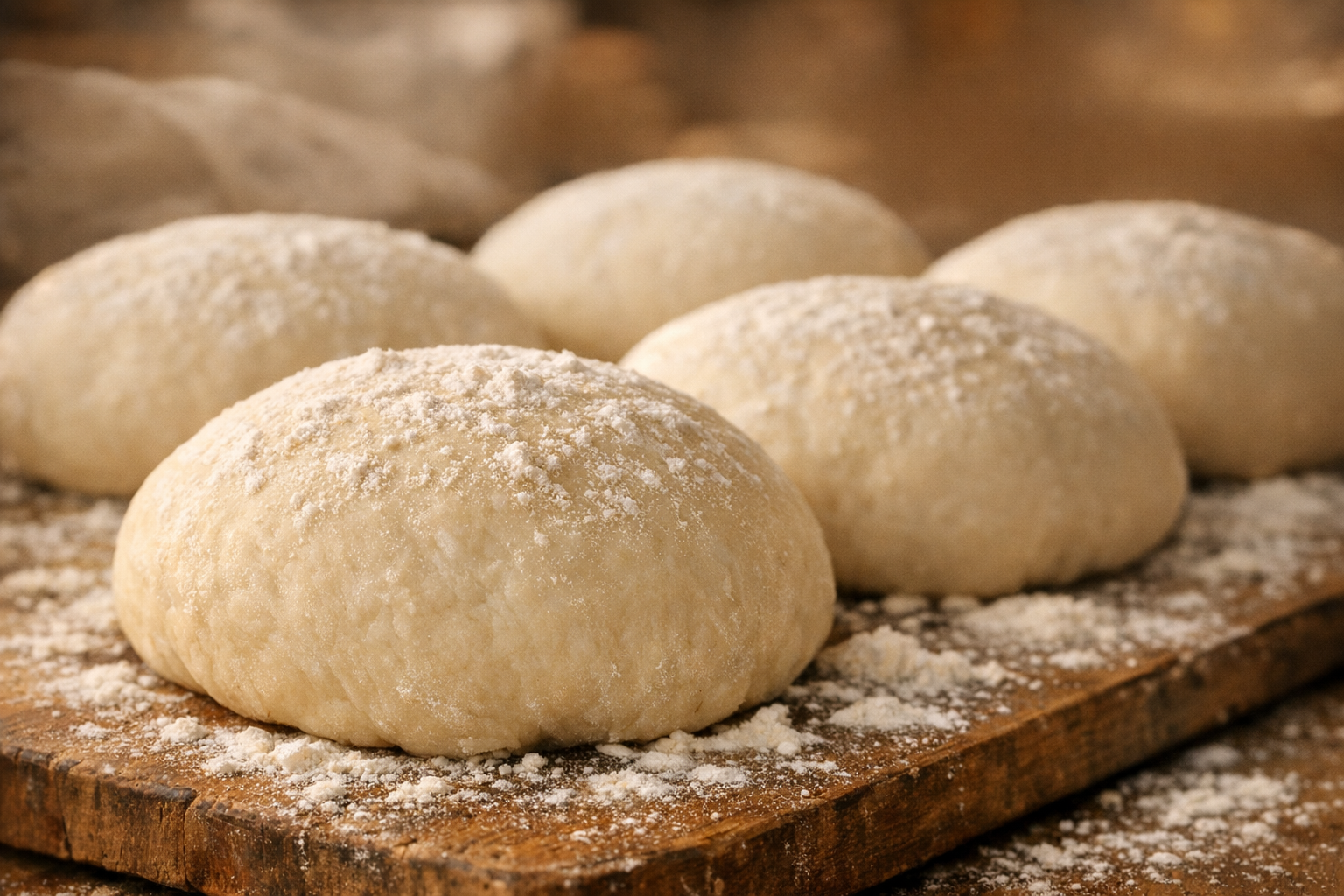
The process begins with mixing the ingredients in large commercial mixers, where the dough develops its structure through kneading. Once mixed, the dough is divided into individual portions and shaped into balls, which then undergo a crucial resting period known as proofing. During this time, the yeast ferments the dough, creating the characteristic bubbles and developing complex flavors that distinguish great pizza from good pizza.
Temperature and humidity control are essential during proofing. Many traditional pizzerias maintain specific conditions in their dough room, allowing the dough to rise slowly and evenly. This patience is a hallmark of authentic pizzeria culture—rushing the process results in inferior texture and flavor, something dedicated pizzaiolos refuse to compromise.
The Art of Stretching
When orders begin to flow, the kitchen transforms into a synchronized dance of movement. The stretching of dough is perhaps the most visible and theatrical aspect of pizzeria kitchen work. Experienced pizzaiolos make this look effortless, but it requires years of practice to master the technique.
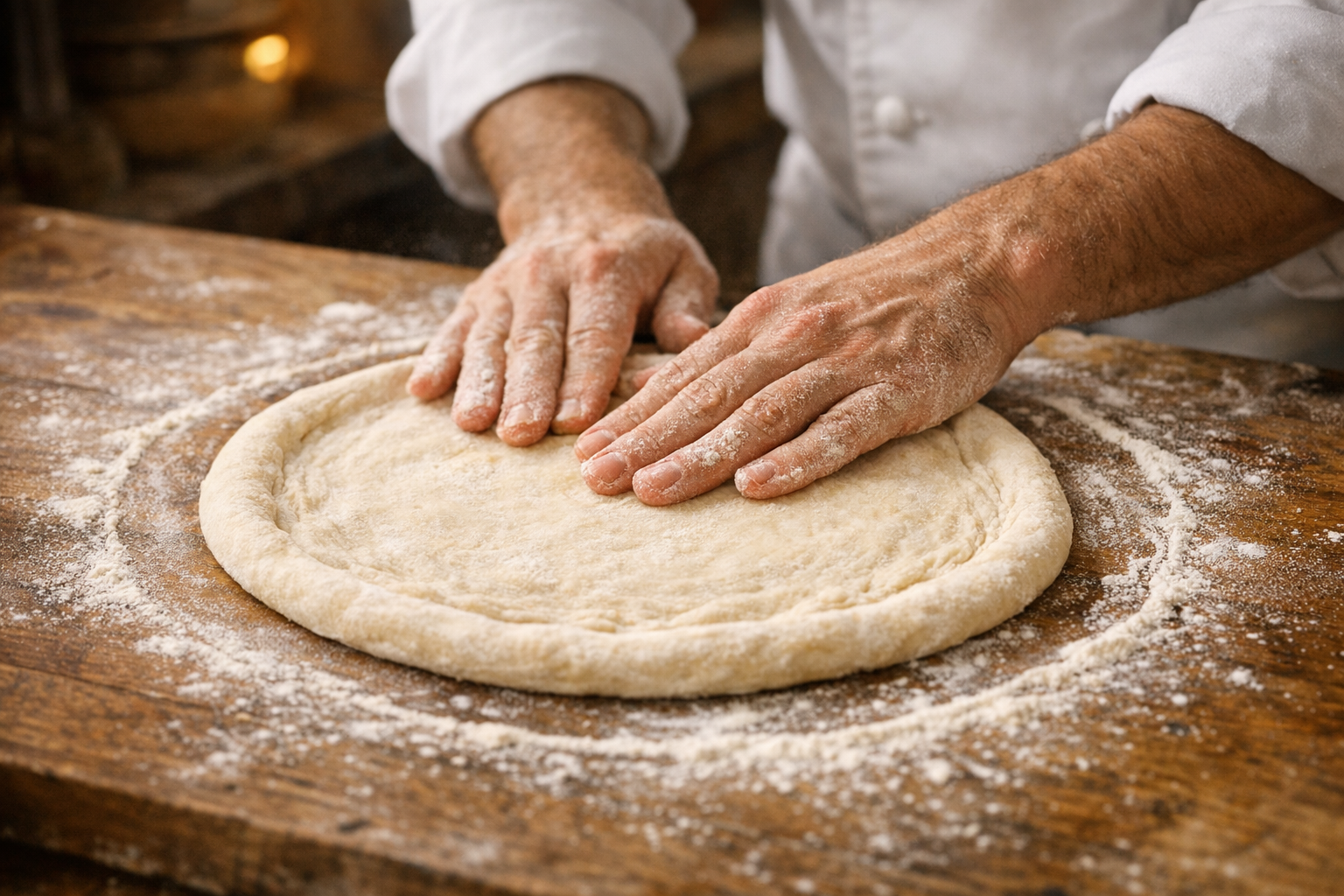
The dough is removed from its proofing container and placed on a floured work surface. Using a combination of hand pressure and gravity, the pizzaiolos stretches the dough from the center outward, creating a thin, even crust while leaving a slightly thicker edge for the characteristic cornicione, or crust rim. This hand-stretching method, as opposed to using a rolling pin, preserves the dough's structure and creates the desirable airy texture in the crust.
Timing is crucial during stretching. The dough must be worked quickly enough to prevent it from sticking to the work surface but gently enough to avoid tearing or overworking the gluten. Experienced kitchen staff develop an intuitive sense of when the dough is ready for toppings—a skill that comes from countless hours of practice.
The Baking Process
Once topped, the pizza makes its journey to the oven, the centerpiece of any pizzeria kitchen. Traditional brick ovens, often imported from Italy or custom-built on-site, can reach temperatures exceeding 800 degrees Fahrenheit. These intense temperatures are essential for creating the perfect pizza—crispy crust, properly melted cheese, and properly cooked toppings in just minutes.
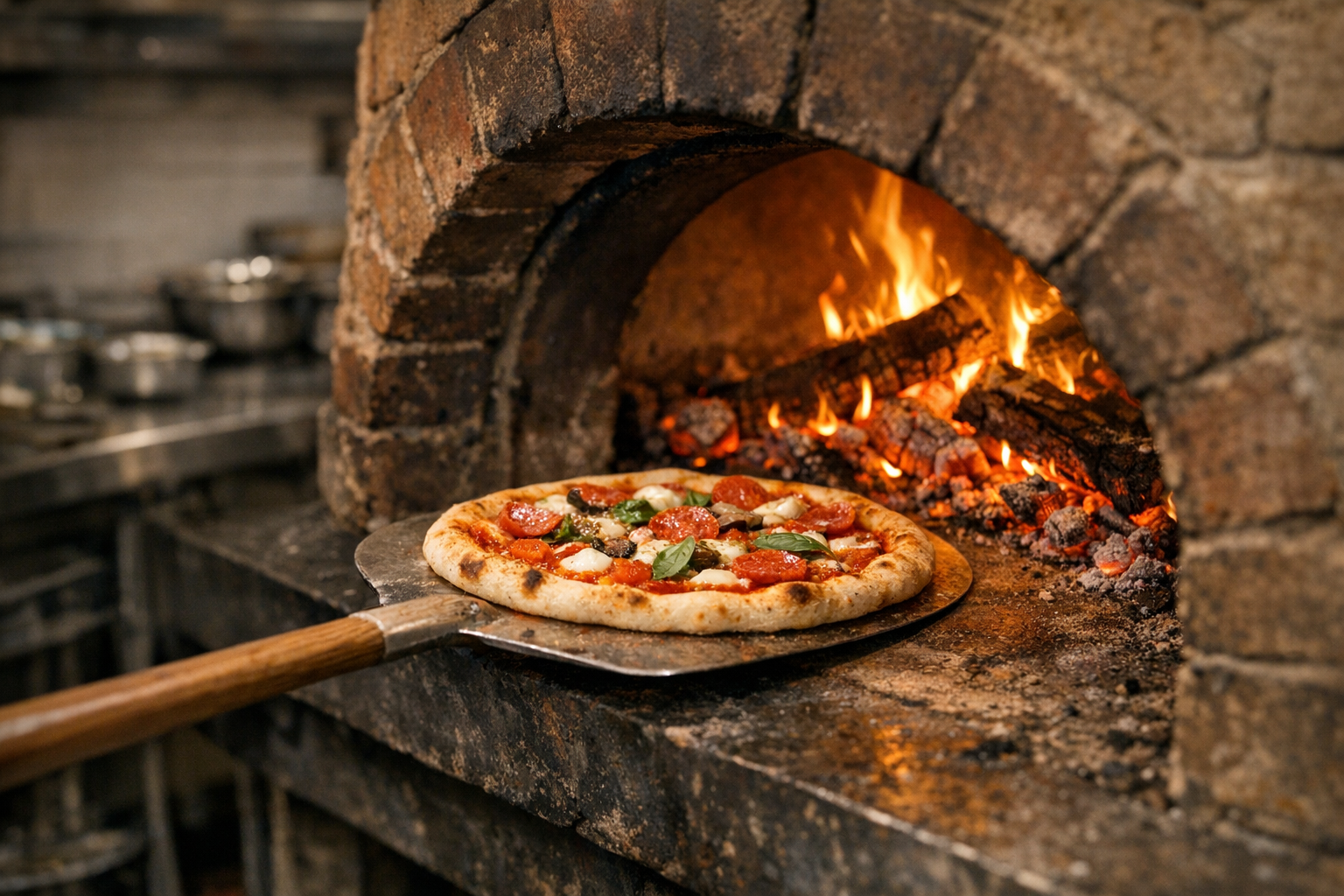
The transfer from prep station to oven requires skill and confidence. Using a long wooden peel, the pizzaiolo slides the topped pizza onto the oven's stone floor with a swift, practiced motion. The stone absorbs moisture from the dough, creating the crispy bottom crust that defines great pizza. Inside the oven, the pizza cooks rapidly, with the high heat creating the characteristic leopard-spotting on the crust and perfectly caramelizing the cheese.
Monitoring the baking process requires constant attention. The pizzaiolo watches for visual cues—the color of the crust, the bubbling of the cheese, the curling of the edges—to determine the perfect moment to remove each pizza. This judgment cannot be automated; it comes from experience and an intimate understanding of how the oven behaves with different types of pizzas.
The Serving Flow
The final stage of the kitchen workflow is the transition from oven to table. Using the peel, the finished pizza is removed from the oven and transferred to a cutting board, where it's sliced with a rocking pizza cutter or traditional mezzaluna knife. The pizza is then placed on a serving tray or directly onto a wooden peel for table service.
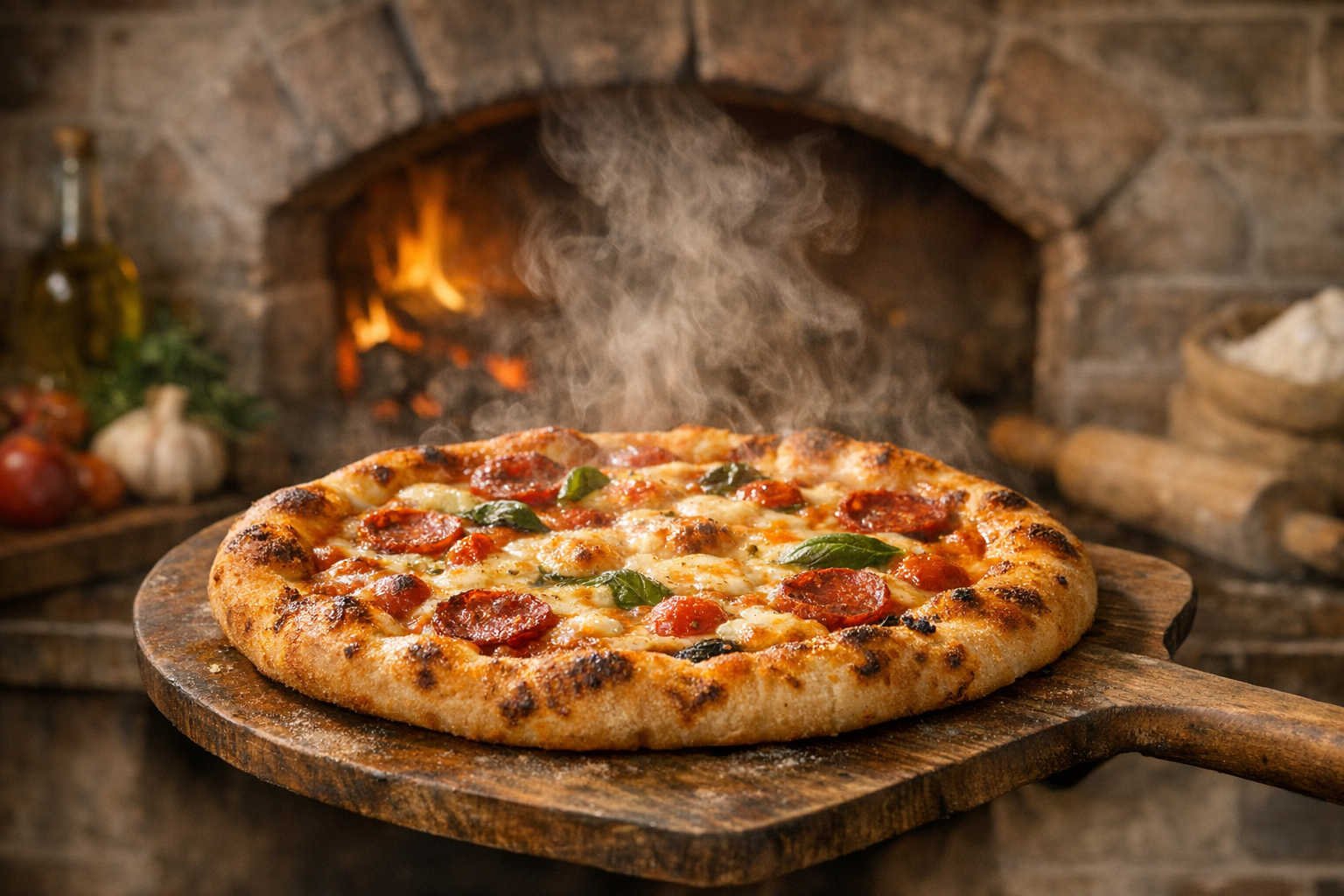
Communication between the kitchen and front-of-house staff is essential during this stage. Orders must be timed so that pizzas arrive at tables at their peak—hot, fresh, and with optimal texture. In busy pizzerias, this coordination becomes a sophisticated system of calls, signals, and shared understanding that ensures smooth service even during the busiest rushes.
The workflow in a pizzeria kitchen represents more than just food preparation—it's a living tradition passed down through generations of pizzaiolos. Each movement, each technique, each decision reflects decades of accumulated knowledge and a deep respect for the craft. This dedication to tradition, combined with the skill to execute it consistently, is what makes the American pizzeria kitchen such a special place.
For those who appreciate the art of pizza, understanding this kitchen workflow adds another layer of appreciation to every slice. The next time you enjoy a pizza from your favorite pizzeria, remember the careful choreography, the practiced hands, and the traditional techniques that made it possible—all happening behind those swinging doors, where the tradition of American pizzerias lives on, one pizza at a time.